The practical answer first
To compare macro-tracked meal prep in Chicago, first verify whether every number refers to one serving, one container, or the full package. Then place the disclosed protein, carbohydrate, fat, calories, serving size, ingredients, allergens, price, and fulfillment details into the same worksheet.
A strong option is not simply the meal with the largest protein number. It is an option whose current information you can understand, whose ingredients and handling instructions fit your needs, and whose ordering and reheating process works in your actual week.
For OAD Cafe, request the current menu and all available details directly. This guide does not confirm present macros, portions, prices, customization, pickup, delivery, order deadlines, availability, or suitability for an individual diet.
- Check serving size and servings per container before comparing any nutrition number.
- Compare provider-disclosed protein, carbohydrate, and fat without treating a higher or lower number as automatically better.
- Review the complete ingredient and allergen information for the exact meal, and ask about unresolved food needs before ordering.
- Confirm current menu dates, substitutions, price, ordering deadline, fulfillment, storage, and reheating directions.
- Judge weekly value by meals you are likely to use, not the maximum quantity a plan allows.
- Ask OAD Cafe for current selection-specific information rather than treating this article as a live menu.
Compare the meal, the information, and the week around it
A search for macro-tracked meal prep in Chicago can produce menus that look comparable while using different units, portions, definitions, and fulfillment models. One provider may disclose nutrition per serving, another per container, and another only for a sample menu that has already changed. A meal photo cannot resolve those differences. Begin with the current written information for the exact selection you are considering, then put every option into the same comparison format.
This guide uses a practical sequence: establish the serving basis; record provider-disclosed protein, carbohydrate, and fat; read the ingredient and allergen information; confirm the current menu, price, ordering deadline, fulfillment method, storage, and reheating instructions; and test whether the meals fit the days when you would actually eat them. It does not prescribe a calorie or macronutrient target. Individual needs vary, and people seeking individualized nutrition care should use an appropriately qualified professional.
Use the shorter prepared-meal nutrition-information guide when one current meal or label is already in front of you. Use this provider-comparison guide when you need to evaluate complete offers across menus, commercial terms, fulfillment, food handling, and the specific days a service must fit. The two pages answer different stages of the decision.
OAD Cafe provides a Chicago weekly-meal-prep inquiry, but this article does not represent its current meals as high-protein, macro-tracked, customizable, or designed for any particular outcome. The current menu, serving information, nutrition data, ingredients, allergen details, price, ordering process, fulfillment method, and reheating directions must be confirmed for the available selections before an order. That same standard should be applied to every provider you compare.
Scope: This commercial comparison guide is educational, not individualized nutrition, medical, allergy, or food-safety advice. Menus and operating details can change. Confirm current information with the provider, follow the instructions supplied with the food, and consult an appropriately qualified professional when personal health or nutrition guidance is needed.
Start with serving size, servings per container, and the full portion
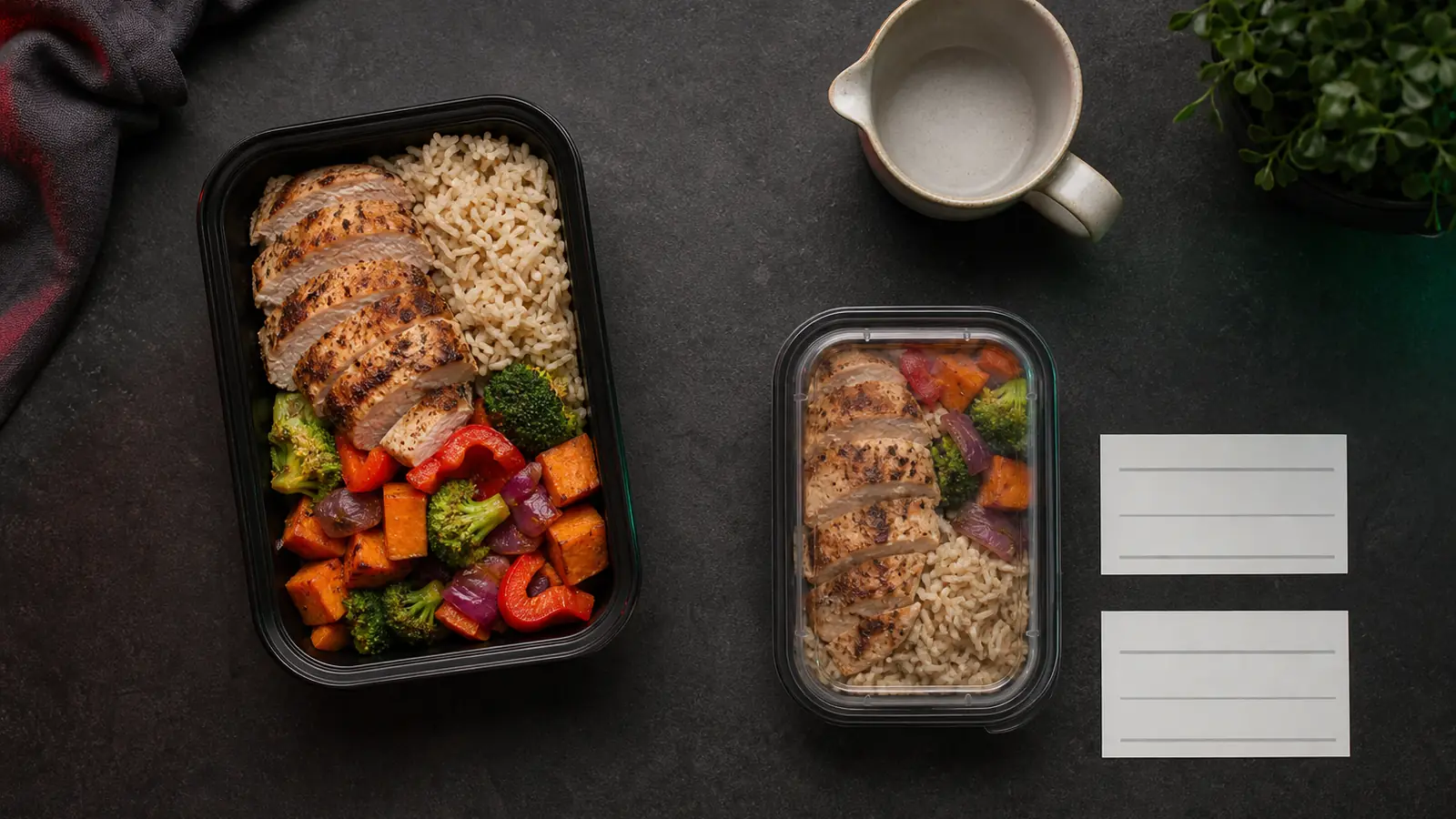
Nutrition numbers are meaningful only when the unit is clear. The FDA serving-size guide explains that a package can contain more than one serving and that some labels provide both per-serving and per-package columns. For each prepared meal, write down the stated serving size, the number of servings in the container, and whether you expect to eat all or part of it. Do this before copying calories or macronutrients into your comparison.
Serving size is not a recommendation for how much a particular person should eat. It is the basis used for the label or nutrition disclosure. If a container holds two servings and the displayed values are for one, the full-container amounts differ. If another provider already reports the entire container, placing the two sets of numbers side by side without conversion produces a false comparison. Keep the provider’s original figures and create a second normalized column only when the arithmetic is unambiguous.
When a web menu, package label, and order page appear to disagree, pause the comparison. Capture the meal name and date, then ask which information controls the current order. Menus can rotate, recipes can change, and archived screenshots can outlive the selection they describe. The first quality signal in this guide is not a particular number; it is whether the provider can connect the exact meal, portion, and current disclosure in a way you can follow.
- Record serving size, servings per container, and full-container values separately.
- Keep the original disclosure beside any normalized calculation.
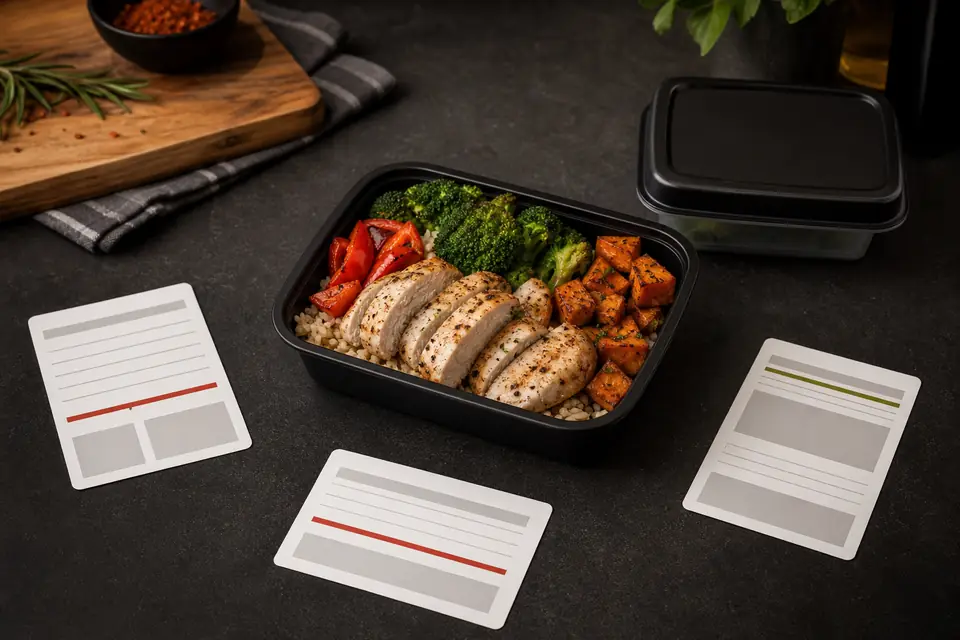
- Do not infer portion weight or nutrition from photography.
- Confirm which current source applies when menu and package details differ.
Use disclosed protein, carbohydrate, and fat as information—not a ranking
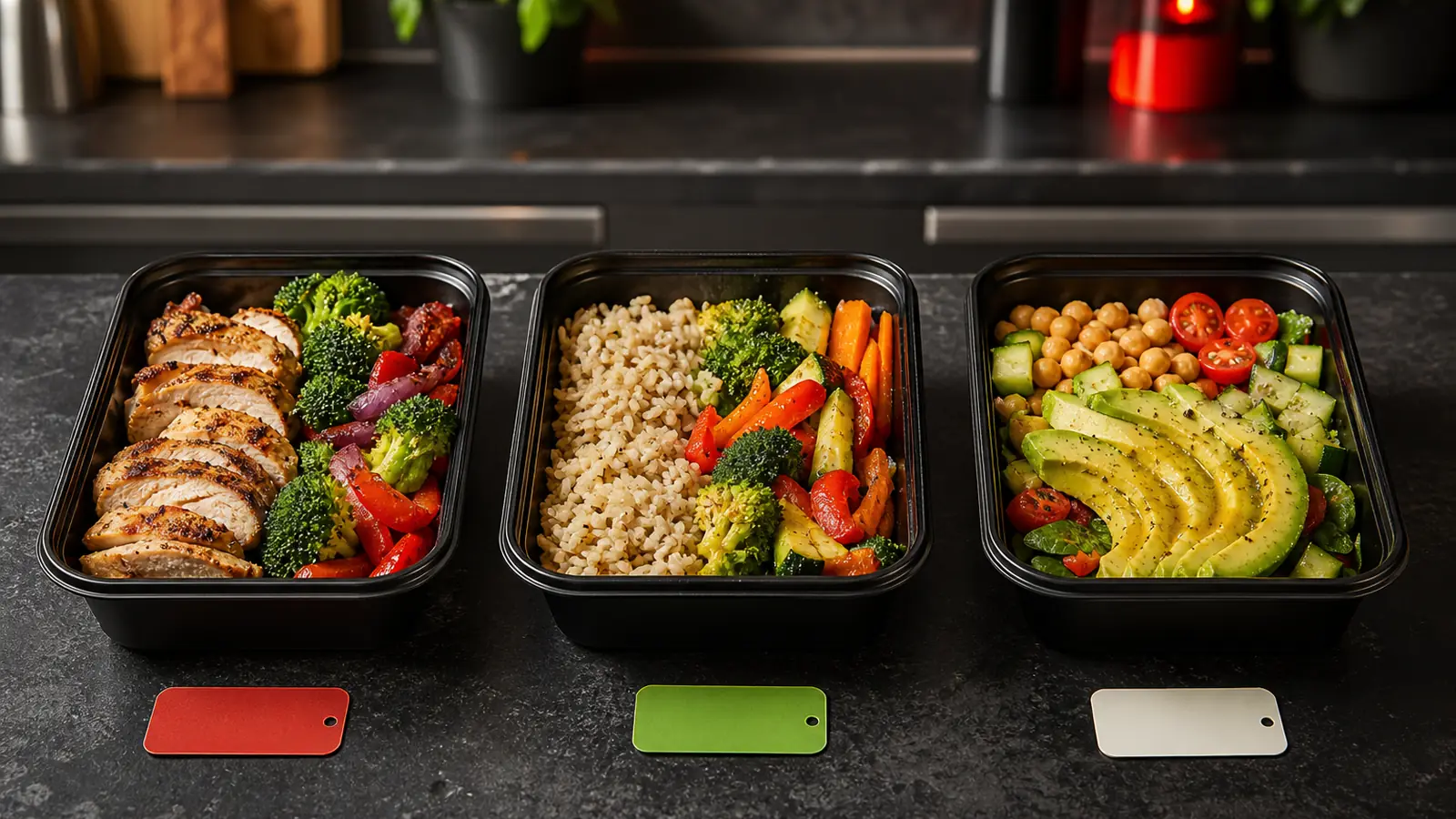
After the serving basis is consistent, copy the disclosed protein, total carbohydrate, and total fat for the exact meal. Add calories when supplied, but resist converting the worksheet into a scoreboard. The largest protein figure is not proof that a meal is best, the lowest carbohydrate figure is not inherently superior, and a calorie total does not describe ingredients, taste, satisfaction, or suitability. A commercial comparison should preserve information without inventing a universal target.
Look for consistency across the provider’s current materials. Does the meal name on the order page match the nutrition information? Is the portion basis visible near the numbers? Are changes or substitutions explained? If only a sample menu is available, label it as a sample rather than treating it as the week you will receive. If a range is published, retain the range and ask what determines where the actual selection falls. Precision should come from the provider, not from your guess.
Be careful with calculated values. Multiplying a clearly stated per-serving number by clearly stated servings per container can make comparison easier. Reverse-engineering macros from calories, estimating protein from the pictured meat, or copying figures from a similar recipe cannot. Ingredients and cooking methods can change the result. Mark unavailable information as “not provided” and decide whether that missing detail matters enough to ask about before purchase.
Your own target is a separate question. Training schedule, body size, preferences, health context, other meals, and professional guidance can affect individual needs. This article and the meal prep and training routine guide can help organize questions and timing, but neither assigns a personalized plan. If a specific nutrition target is important, compare meals against guidance developed for you by an appropriately qualified professional rather than adopting a number from marketing copy.
- Copy protein, carbohydrate, fat, and calories only for the exact disclosed serving.
- Treat higher and lower values as differences, not automatic advantages.
- Use “not provided” instead of filling gaps with recipe estimates.
- Keep provider comparison separate from individualized nutrition targets.
Compare ingredients, allergen information, and unresolved food questions

Macronutrients do not tell you what a meal contains. Request the current ingredient information for each exact selection, including sauces, dressings, garnishes, and separate components when available. The FDA’s food-ingredient overview explains that ingredients on packaged-food labels are generally arranged by predominance by weight, with regulatory exceptions. Use the actual list as information; do not translate a short list into “better” or a long list into “worse” without context.
For food allergies, the question must be selection-specific and operational. The FDA identifies nine major food allergens in the United States: milk, egg, fish, crustacean shellfish, tree nuts, peanuts, wheat, soybeans, and sesame. A label or menu statement may help identify declared ingredients, but it may not answer every question about preparation, shared equipment, substitutions, or cross-contact. Ask the provider what current information is available and explain the food concern precisely.
Do not turn silence into an allergen-free claim. A meal that does not visibly contain nuts, dairy, or wheat can still include those ingredients in sauces or seasoning, and a generic website category may not describe the current recipe. Likewise, “plant-based,” “gluten-conscious,” or another marketing label should not be expanded beyond the provider’s documented meaning. If the available answer does not give you enough confidence for a serious allergy or medical need, do not guess; seek appropriate professional and provider guidance.
Preferences deserve clarity too. If you avoid an ingredient, follow a religious dietary practice, or need to understand substitutions, list the exact question rather than asking whether a meal is simply “clean.” Ask whether components can change and whether customization is currently offered, but do not assume it is. For OAD Cafe, this guide makes no ingredient, allergen, cross-contact, customization, or special-diet promise. Current selection-specific answers must come directly from the team.
- Request ingredients for sauces, dressings, garnishes, and sides—not only the entrée name.
- State the exact allergen or food concern when asking a provider.
- Do not interpret absent information as an allergen-free or cross-contact guarantee.
- Confirm substitutions and customization instead of assuming either is available.
Audit a real rotating menu for coverage, repetition, and change
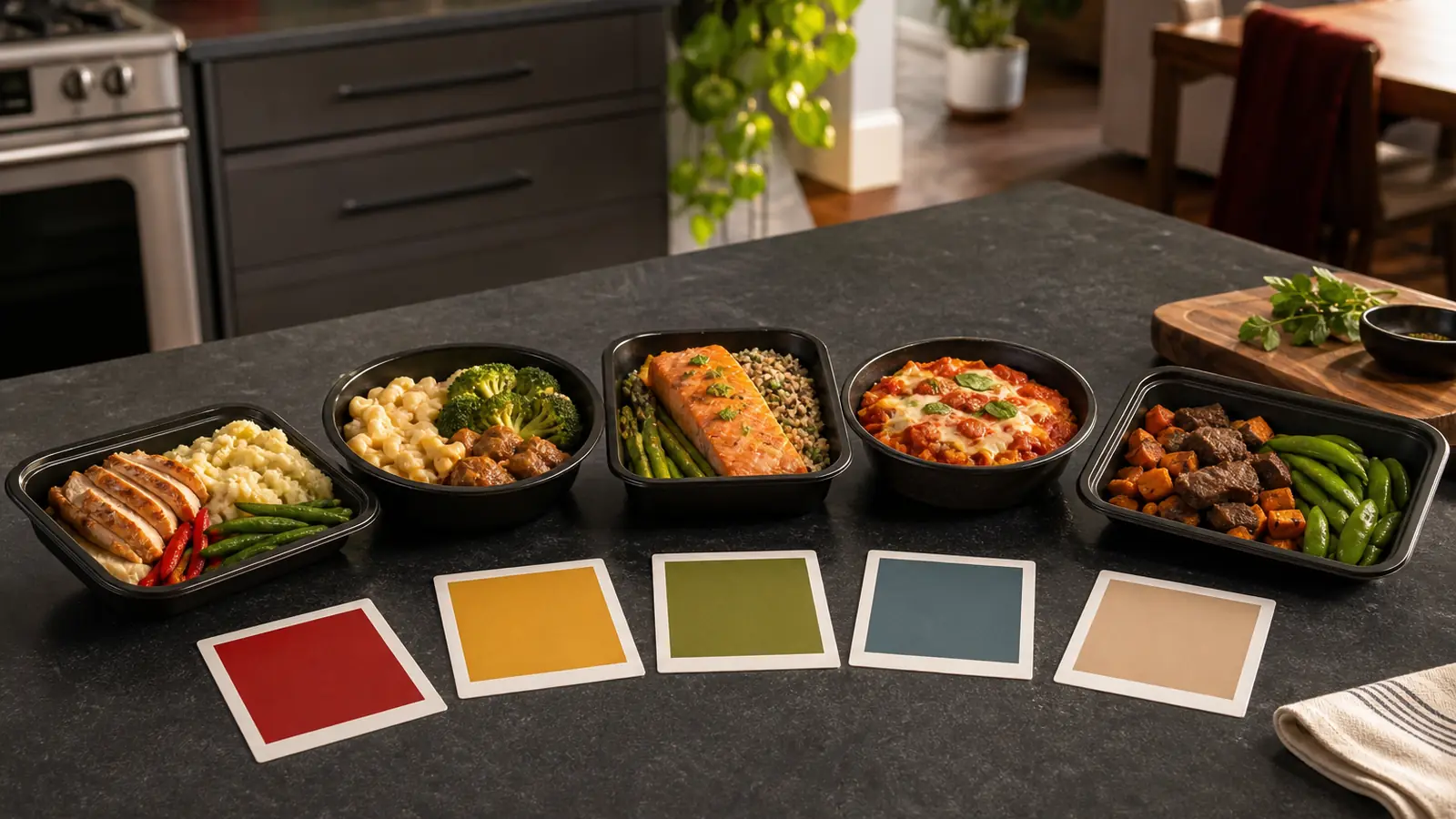
A provider can publish attractive nutrition information and still be a poor weekly fit if the details cover only retired meals or a small part of the menu. Start with a dated list of the selections you can order now. For each one, note whether serving, nutrition, ingredient, and allergen information is available. A simple coverage count—such as information available for four of six current meals—reveals more than a general statement that nutrition facts are offered.
Next, look at how the menu rotates. Ask how often selections change, when a new menu is posted, whether an order can be changed after the deadline, and what happens if an ingredient or meal becomes unavailable. A rotating menu can provide variety, while a stable set can make repeat ordering easier. Neither approach is automatically superior. What matters is whether you can see the choices early enough to evaluate and use them.
Keep a date beside every screenshot or note. Search results and social posts can surface old menus without obvious context, and third-party ordering pages may lag behind a provider’s current process. Use the provider’s current order path and confirm anything that could change your purchase. The prepared-meal nutrition-information guide offers a second checklist for reviewing the selection, disclosure date, portion, and instructions before checkout.
- Compare information coverage across every currently available selection.
- Ask when menus change and how unavailable meals or substitutions are handled.
- Build a mock week around genuine friction points, not an idealized plan.
- Date your notes and verify old search or social results against the live order path.
Confirm Chicago ordering and fulfillment before comparing convenience
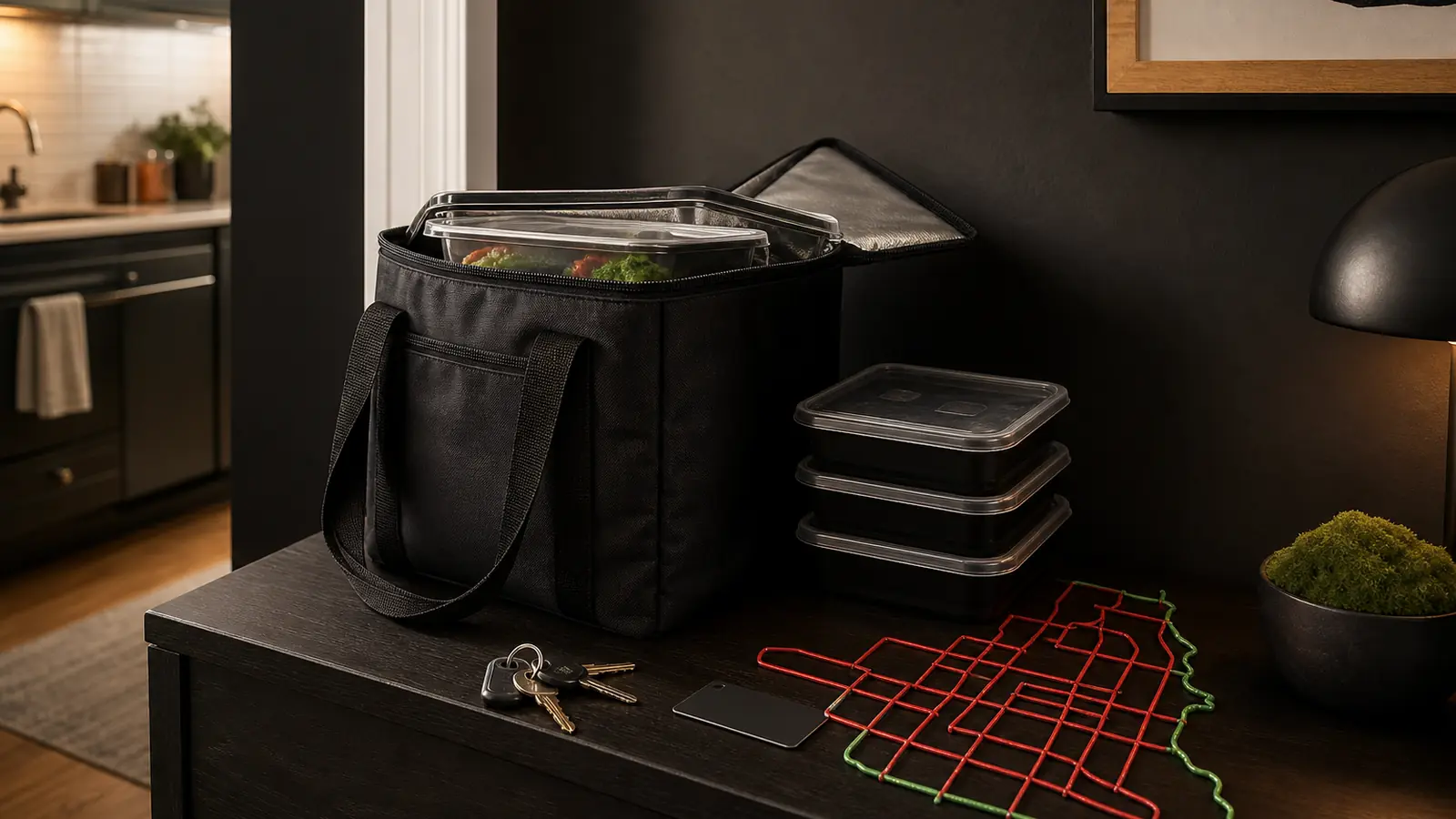
“Available in Chicago” does not explain how a meal reaches your refrigerator. Record whether the current option is pickup, local delivery, shipping, or another method; the eligible area; the order deadline; the hand-off window; any minimum; and every disclosed fee. If pickup is involved, ask for the confirmed location and arrival instructions. If delivery is offered, ask how the window is communicated and what happens when the recipient is unavailable. Never infer these terms from a meal photo or neighborhood keyword.
Put fulfillment on a calendar. Work backward from the meals you expect to use and identify when ordering, receiving, refrigerating, and reheating would occur. A Sunday hand-off may fit one household and create a conflict for another. A wide delivery window can be manageable when someone is home and difficult when a Chicago commute is unpredictable. The comparison should reflect the week you actually have, including building access and immediate storage.
Normalize the price only after the logistics are complete. Record the total current charge, number of containers, servings per container, delivery or pickup cost, taxes or other disclosed charges, and whether an order repeats automatically. Calculate cost per container and, when the serving basis is clear, cost per serving. Then estimate cost per meal you are likely to use. A lower bundle price can become poor value when several containers routinely go uneaten.
OAD Cafe’s weekly-meal-prep section and Chicago meal-prep service page provide the inquiry path, not a standing promise about a specific hand-off. This article does not confirm current pickup, delivery, shipping, timing, minimums, fees, recurring terms, or availability. Ask the team for the present menu, price, ordering deadline, fulfillment method, and instructions together so the offer can be evaluated as one complete system.
- Write down the current order deadline, hand-off method, window, area, minimum, and fees.
- Test the hand-off against work, commuting, building access, and immediate refrigeration.
- Compare total cost per usable meal, not an isolated advertised price.
- Confirm OAD Cafe fulfillment directly; this guide does not promise a method.
Review storage dates, package condition, and reheating instructions
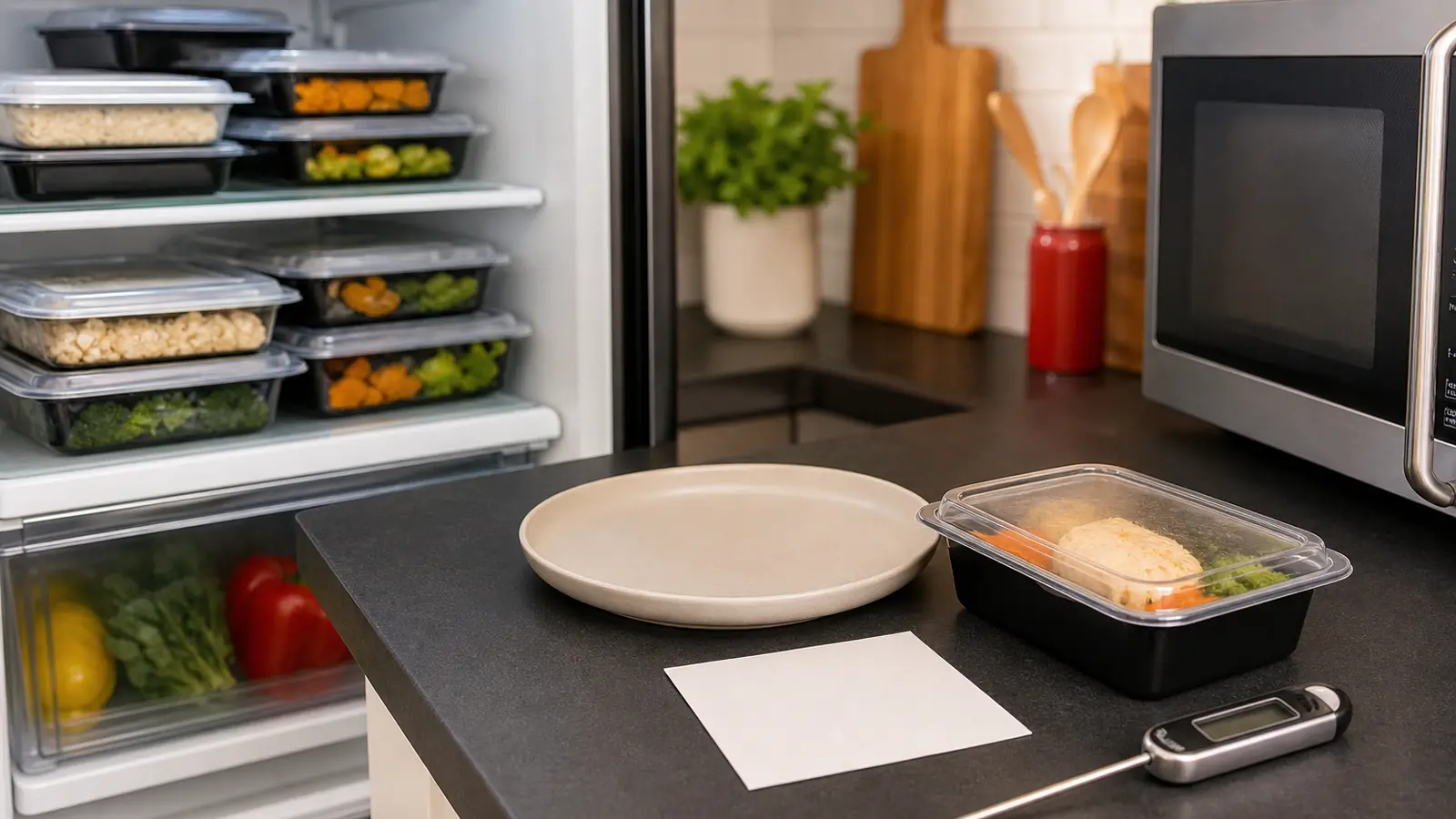
A prepared meal is not fully evaluated until you understand how to store and reheat it. Ask whether the selection arrives chilled, frozen, or in another condition; how soon it should be refrigerated or frozen; which date marks apply; and whether the container is intended for reheating. Follow the provider’s label and current instructions for the specific meal. Do not carry directions from a different provider, recipe, or container into the order you have.
The USDA’s leftovers and food-safety guidance advises prompt refrigeration, uses a general two-hour room-temperature limit—or one hour when the temperature is above 90°F—and says many refrigerated leftovers should be used within three to four days. It also advises reheating leftovers to 165°F and checking with a food thermometer. These are broad federal safety principles, not a substitute for the provider’s product-specific dates, package instructions, or guidance for food delivered frozen.
Inspect the hand-off before organizing the week. Note whether the packaging is sealed and intact, whether a required label or instruction is missing, and whether the food arrived in the condition the provider described. Contact the provider when something appears damaged, leaking, unexpectedly warm, or inconsistent with the directions. This guide cannot determine the safety of a particular meal from a description or photograph, and appearance or smell alone cannot resolve every food-safety question.
Reheating quality matters separately from safety. Ask whether components should be separated, whether sauce should be added later, and whether oven, microwave, or stovetop directions differ. When instructions offer more than one method, test the method you would actually use on a busy day. A meal that requires equipment you do not have or a long process you will avoid may not fit, even if its nutrition information is complete.
- Confirm whether meals arrive chilled or frozen and which dates and instructions apply.
- Follow selection-specific storage and reheating directions before general habits.
- Check packaging and contact the provider about damaged or inconsistent hand-offs.
- Test the reheating method you can realistically use during the week.
Buy for the hard parts of the week, not an imaginary perfect schedule
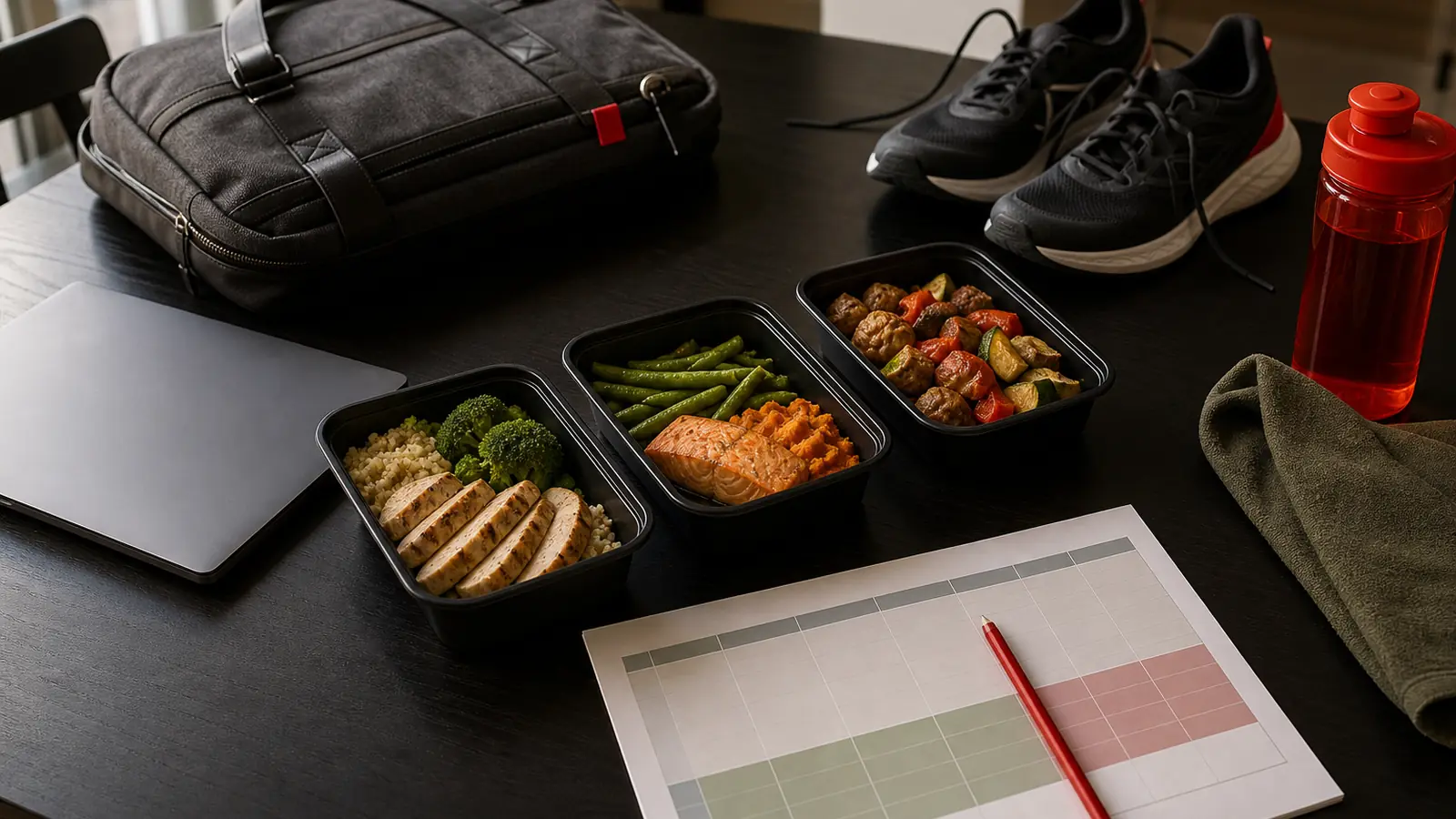
Prepared meals can move decisions earlier, but buying more food does not automatically create a better routine. Review the previous two weeks and mark when food decisions became rushed, skipped, or expensive. Then identify which of those moments a prepared meal could realistically cover. A gap after work may be different from a lunch at the office, and training days do not require this guide to assign a special meal. The useful unit is a specific time and place.
Start with a conservative quantity. Count the meals already covered by groceries, family plans, work events, leftovers, eating out, and other commitments. Subtract those from the days you are considering before choosing a bundle. Add refrigerator and freezer capacity to the check. A plan that fills every calendar square but exceeds storage space or ignores changing plans can create waste instead of convenience.
If training is part of your schedule, organize timing around tolerance, convenience, and guidance appropriate to you rather than copying a universal rule. The meal prep and training routine guide focuses on planning food around a real Chicago week without promising performance, recovery, or body-composition results. A qualified professional can help when you need personalized intake, medical nutrition therapy, or advice connected to symptoms, medications, or a health condition.
- Identify the exact days and locations where a prepared meal would remove friction.
- Subtract meals already covered and check storage space before choosing quantity.
- Track use, taste, portion experience, and reheating practicality without making outcome claims.
- Use qualified individualized guidance when the decision goes beyond general planning.
Use one worksheet and the same questions for every provider
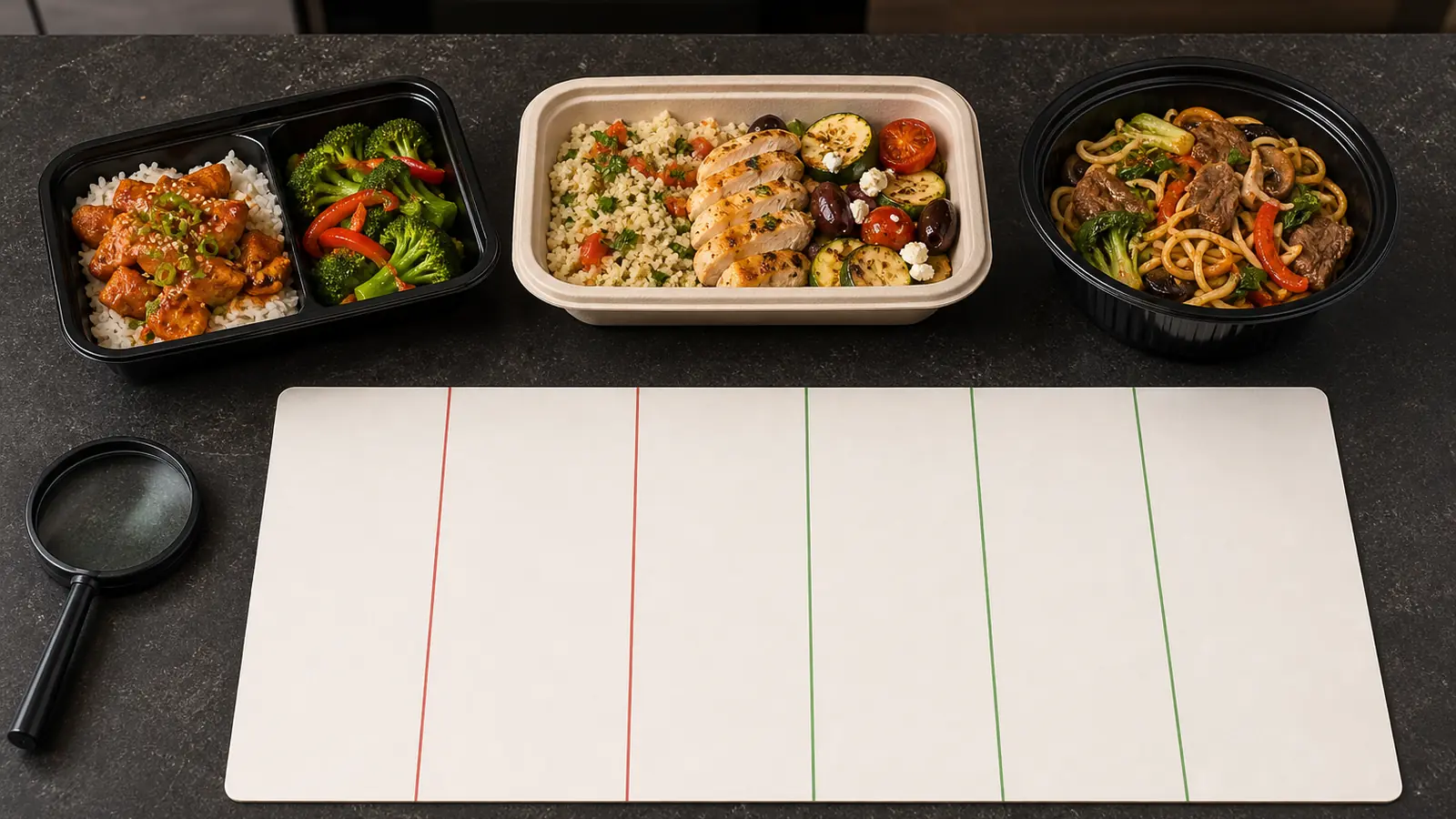
Create one row per provider and one column for each decision-changing fact: current meal name, menu date, serving size, servings per container, disclosed protein, carbohydrate, fat, calories, ingredients, allergen information, quantity, total price, order deadline, fulfillment, storage, reheating, substitutions, and recurring terms. Add “source and date checked” so old information is visible. Blank cells are useful; they show exactly what must be confirmed before the offers are comparable.
Compare commercial terms in the same unit. Separate one-time promotions from the ordinary price, identify minimum quantities, note whether tax or hand-off fees are included, and read cancellation or renewal terms before calculating value. Do not use a “starting at” figure as the expected total without knowing what it covers. Save the current offer or confirmation so you can compare what was actually presented, not what you remember later.
Treat ratings, influencer posts, and generic “best meal prep” lists as discovery tools rather than proof of current facts. Reviews can describe someone else’s experience, but they may concern an older menu, different route, or promotion. This guide does not rank providers because the information changes and fit is personal. Verify the details that control your purchase through each provider’s current official channel, then decide from the completed worksheet.
- Use identical columns and date every source you check.
- Make essential allergen or logistics requirements thresholds, not bonus points.
- Separate promotions, fees, minimums, renewals, and ordinary pricing.
- Use third-party lists for discovery, then verify current facts directly.
Turn an OAD Cafe inquiry into a complete, current comparison
When contacting OAD Cafe, include the week you are planning, the number of meals you might use, and the information that could change your decision. Ask for the current selections, serving basis, available nutrition information, ingredients, allergen details, price, order deadline, fulfillment method, storage, and reheating directions. If a food need matters, name it precisely. A focused message gives the team a chance to answer the actual comparison instead of guessing what “meal prep info” means.
Keep the response attached to the relevant menu date or order. If the available selection changes, check whether the serving, recipe, nutrition information, allergens, or instructions changed too. Confirm customization and substitutions only when the team offers them; this guide does not promise either. Likewise, do not assume that a previous fulfillment method, price, or deadline remains current. The live order details should control the decision.
Use the Chicago meal-prep service page to understand the inquiry path, the OAD Cafe weekly-meal-prep section to place the service in the broader food pillar, and the prepared-meal nutrition-information guide to audit a specific selection. Those pages provide context and questions. They are not replacements for the current menu and instructions supplied for an order.
The final decision should fit on one page: which meals are currently available, what each disclosed number covers, which ingredient and allergen questions are resolved, the total current cost, how the food reaches you, how it is stored and reheated, and which days it will replace a rushed decision. If an important line remains blank, ask before paying. Clarity—not an extreme nutrition claim—is the strongest basis for a repeatable prepared-meal choice.
- Send the intended week, likely quantity, and decision-changing questions in one inquiry.
- Tie every answer to the current selection and order rather than an old menu.
- Use OAD pages for context, then request current meal-specific details.
- Order only after serving, ingredients, total cost, fulfillment, and instructions are clear enough for you.
Questions people ask before they choose
What does macro-tracked meal prep mean?
The phrase usually signals that a provider makes some nutrition information available, often including protein, carbohydrate, and fat. It is not a standardized promise that every provider measures, calculates, updates, or displays information the same way. Ask what is tracked, whether values are per serving or per container, which exact meal and recipe they cover, and when the information was last confirmed.
How do I compare protein and other macros across Chicago meal-prep services?
First normalize the serving basis. Record serving size, servings per container, and the disclosed protein, carbohydrate, fat, and calories for the exact current selection. Keep the source and date beside the figures. Do not assume that the meal with the highest protein or lowest calorie value is best for you, and do not estimate missing numbers from a photograph or similar recipe.
Are OAD Cafe meals high-protein or macro-tracked?
This guide does not confirm either claim for the current OAD Cafe menu. Ask the team which selections are available and what serving and nutrition information is currently provided for each one. Also confirm ingredients, allergen details, price, fulfillment, storage, and reheating instructions before ordering. Do not use this article as a live menu or product label.
Can OAD Cafe create a personalized meal or macro plan for me?
This guide does not claim individualized nutrition planning, customization, or a particular credentialed nutrition service from OAD Cafe. Ask what the current meal-prep inquiry includes. If you need personal calorie or macronutrient targets, medical nutrition therapy, or guidance related to symptoms, medications, allergies, or a health condition, consult an appropriately qualified professional for your situation.
Does OAD Cafe offer meal-prep delivery or pickup in Chicago?
The current fulfillment method is not confirmed by this guide. Contact OAD Cafe for the present hand-off option, eligible area or location, order deadline, window, minimum, fees, building or arrival instructions, and what happens if plans change. Confirm these terms for the order you are considering rather than relying on an older page, post, or previous order.
How long can I keep prepared meals in the refrigerator?
Follow the provider’s product-specific label, date, and storage instructions. USDA gives a general three-to-four-day refrigerated window for many leftovers, alongside prompt refrigeration and reheating guidance, but a prepared product may arrive frozen or carry different directions. When packaging is damaged, instructions are missing, or food arrives in an unexpected condition, contact the provider rather than guessing from appearance alone.
How this guide was built
OverallDevelopment prepared this guide from the primary sources below and the verified business information published on this site. AI-assisted editorial production and original AI-generated visuals were used; the visuals do not depict the facility, staff, clients, meals, or promised results.
- Serving Size on the Nutrition Facts LabelU.S. Food and Drug Administration
- Types of Food IngredientsU.S. Food and Drug Administration
- Food AllergiesU.S. Food and Drug Administration
- Leftovers and Food SafetyUSDA Food Safety and Inspection Service
- Weekly Meal Prep in ChicagoOverallDevelopment
- OAD CafeOverallDevelopment