MAKE A
CLEARER CHOICE
Use each section as a decision checklist, then confirm details that can change directly with the team.
Start with the meals that are hardest to organize
Look at a normal week and identify where food decisions become reactive. It may be a late workday, a commute before training, or the day when there is no time to cook. That point of friction is more useful than designing an ideal menu that does not match the schedule you actually keep.
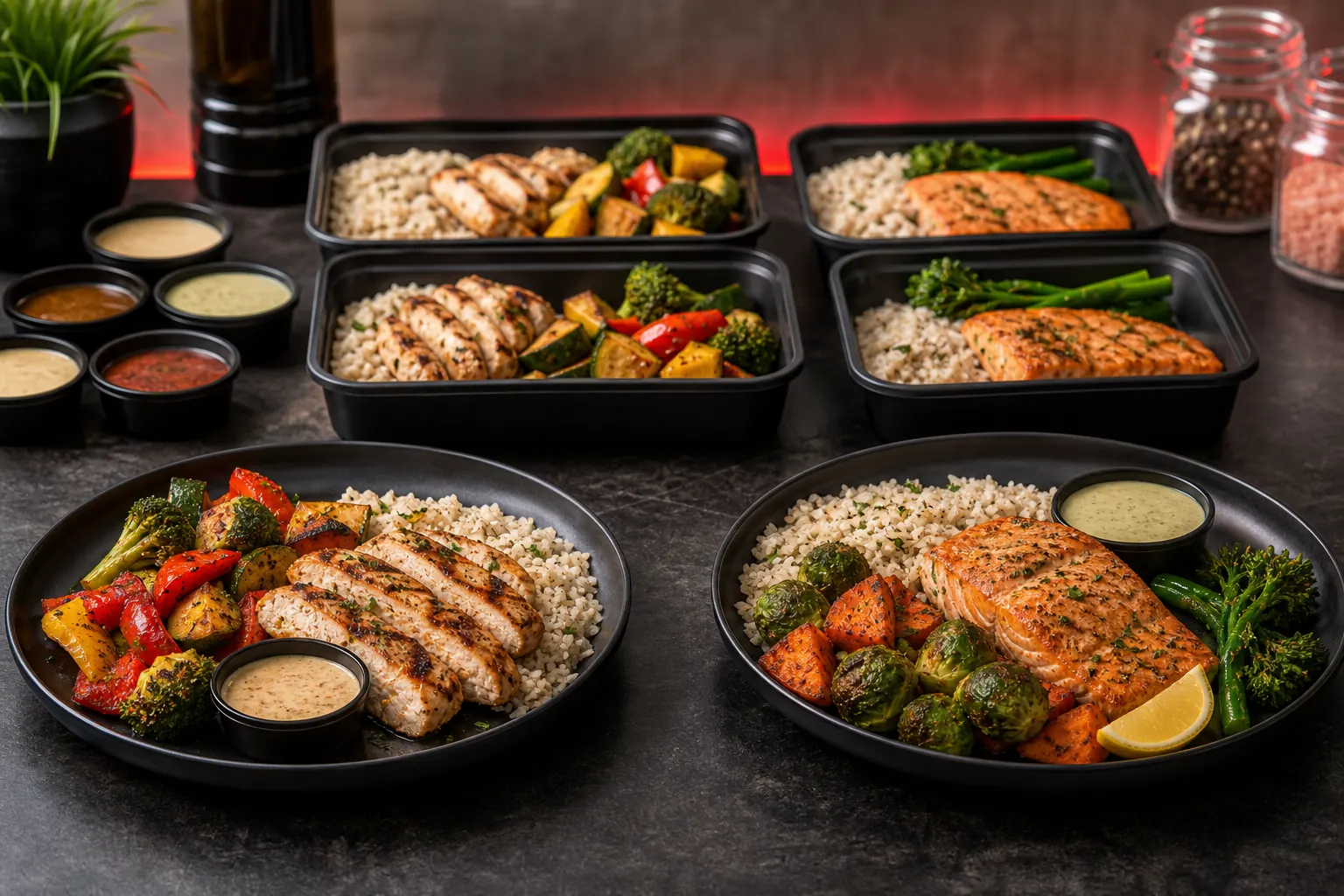
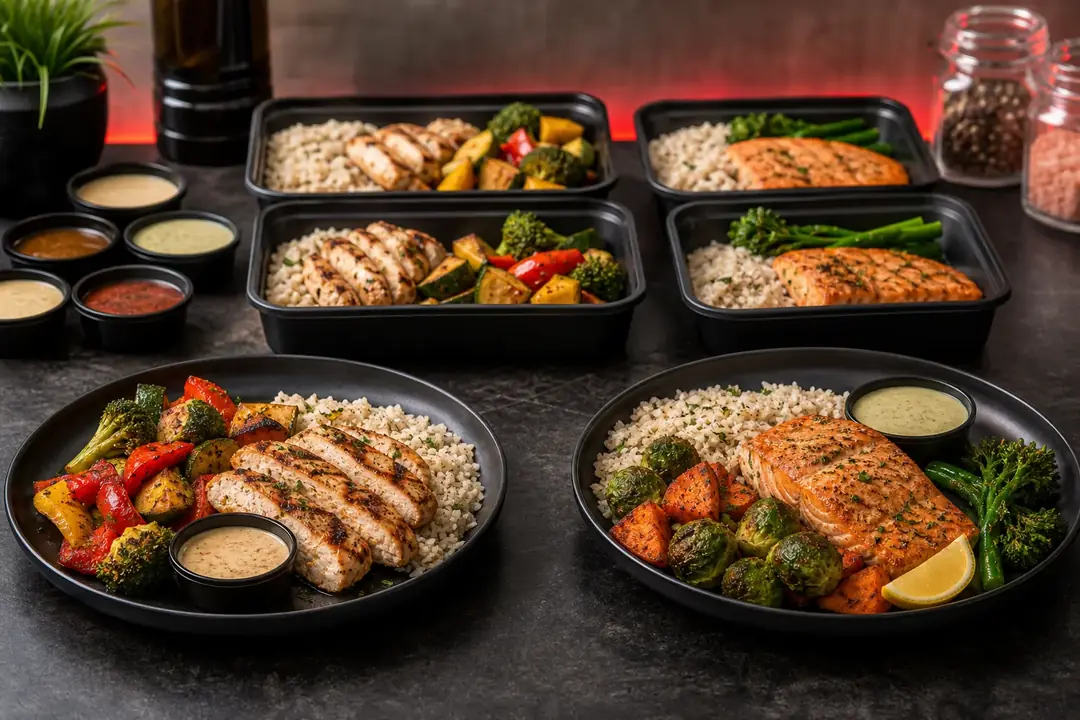
Meal prep can then be evaluated as a convenience tool. Decide how many prepared meals would reduce the pressure without assuming that every meal needs to be purchased. A smaller, repeatable plan may be more useful than an ambitious order that creates waste or requires habits you do not maintain.
- Identify rushed days
- Count only meals you expect to use
- Keep unplanned meals visible
- Avoid an all-or-nothing plan
Map meals around the full week
Write down work hours, training appointments, travel time, and the places where meals are usually eaten. This does not prescribe when a person should eat. It simply helps determine when a prepared option would be practical and when another plan is already working well.
If training days matter to your order, share them as context rather than asking the food provider to promise a performance outcome. OAD Cafe can explain its current options, while individual nutrition needs may require an appropriately qualified professional when they go beyond general menu information.
- Work and commuting windows
- Training days
- Where meals can be stored
- When prepared food is actually useful
Review portions and current nutrition details
The current OAD Cafe page describes weekly meals as macro-tracked. Ask for the information attached to the specific selections being offered, because menus and portions may change. Do not assume that an old nutrition label or social post applies to the meal currently available.
Nutrition numbers are information, not a universal recommendation. A portion that fits one person’s routine may not fit another’s. This guide does not set calorie, protein, or weight-change targets. If you need individualized clinical nutrition guidance, seek a professional whose qualifications and scope match that need.
- Current selection and portion
- Available nutrition information
- Ingredient questions
- No universal target implied
Ask ingredient and accommodation questions early
Include relevant food needs in the inquiry before ordering. Ask about the actual menu, ingredients, and whether a requested accommodation is available. The team will confirm which preparation information is available and whether any substitutions or specialized options can be offered for the current order.
If avoiding an ingredient is medically important, do not rely only on broad marketing language such as “clean” or “performance-minded.” Ask direct questions and make the decision using current information from the provider and, where appropriate, a qualified healthcare professional.
- State food needs before ordering
- Ask about the current meal
- Do not assume substitutions
- Use qualified advice for medical needs
Confirm ordering and fulfillment
A meal plan only works if the logistics are clear. Ask when orders must be placed, how the current menu is shared, how the order is received, and what storage or reheating information comes with it. Confirm the current fulfillment method and any recurring terms directly with OAD Cafe.
Confirm the current price at the same time. Quantity, selection, and plan structure may affect cost, so use the rate provided for the current order. A clear response should tell you what is available, what it costs, and what action completes the order.
- Current order deadline
- Available fulfillment method
- Storage information
- Current total price
Connect the plan realistically
Prepared meals may make a busy week easier to organize, which can support consistency around a training schedule. The service provides prepared food and current nutrition information; strength, weight, recovery, or body-composition results depend on factors beyond a meal-prep order.
The Body and OAD Cafe are separate service paths within OverallDevelopment. A client may explore both, one, or neither. Buying one service is not required for the other, and combining them does not guarantee a bundled result.
- Prepared food is a planning tool
- Training remains a separate service
- No outcome is guaranteed
- Choose only what fits
Evaluate the plan after a real week
After trying an order, review practical questions: Did you use the meals you purchased? Did the order fit the days you expected? Was the menu information clear? Did the fulfillment process work with your route? Those answers are more useful for the next order than forcing the same quantity because it sounded disciplined at the start.
Adjust the number or type of meals using the options currently available. If the service no longer fits, pause and ask about a different plan. The aim is a workable routine that matches the week you actually live.
- Meals used versus wasted
- Fit with the schedule
- Clarity of current information
- Changes for the next inquiry